



It is a fascinating aspect of any culture that beyond the widely recognized traditions, a rich tapestry of lesser-known customs and practices exists, woven into the fabric of daily life. Romania, with its deep historical roots and diverse regional influences, is no exception. While Christmas carols, Easter eggs, and the Mărțișor are celebrated and recognized globally, a closer look reveals a wealth of more intimate and often overlooked traditions that continue to shape Romanian identity and community. These practices, passed down through generations, offer a unique window into the values, beliefs, and ingenuity of the Romanian people.
This exploration delves into seven such traditional Romanian habits, shedding light on their significance, origins, and continued, albeit sometimes subtle, presence in contemporary Romanian society. These are not grand public spectacles, but rather the quiet rhythms and gestures that have historically characterized the Romanian way of life, often deeply intertwined with the agricultural calendar, family bonds, and a profound respect for nature and the unseen world.
The Nedeia, a term often translated as „gathering” or „country fair,” represents a profound and multifaceted tradition that goes far beyond a simple marketplace. It is a deeply ingrained custom that celebrates community, harvest, and the enduring connection between people and the land. While the exact nature of a Nedeia can vary significantly from one region to another, its core essence remains the same: a communal event where villagers come together to showcase their produce, exchange goods, and reinforce social bonds. These gatherings were historically vital for the economic and social well-being of rural communities, acting as hubs for trade, news dissemination, and the celebration of shared agricultural successes.
Rolul Agricol și Comercial al Nedeii
The Nedeia’s primary function, especially in historical contexts, was undeniably agricultural. It was the designated time and place for farmers to bring their surplus produce to market. From fresh vegetables and fruits to grains, honey, and dairy products, the Nedeia was a vibrant display of the land’s bounty. Farmers would haggle, barter, and sell, ensuring they had the necessary resources for the coming season and the winter months. This agricultural exchange was not just about individual profit; it was about the collective prosperity of the village. If one farmer had a particularly good harvest of a certain crop, they could trade it with another who might have had a surplus of something else. This interdependence fostered a strong sense of community reliance and mutual support. Beyond agricultural goods, the Nedeia also saw the trade of livestock, tools, and handmade crafts, making it a comprehensive economic event for the rural population.
Tradiții Sociale și Culturale Integrate
However, to view the Nedeia solely through an economic lens would be to miss its rich social and cultural dimensions. These gatherings were also vibrant social occasions. Families would dress in their finest traditional clothing, creating a colorful and festive atmosphere. Music and dancing were integral parts, with local musicians often entertaining the crowds. It was a time for young people to meet, for friendships to be rekindled, and for stories to be shared. The Nedeia served as a crucial forum for maintaining social order and reinforcing cultural norms. Elders would often pass down knowledge and advice, and important village decisions might even be discussed or announced. The sense of belonging and shared identity that blossomed during a Nedeia was as valuable as any economic transaction.
Superstiții și Ritualuri Legate de Nedeie
Intricately woven into the fabric of the Nedeia were various superstitions and rituals, often aimed at ensuring good fortune for the coming year. Before heading to the Nedeia, it was common practice to perform certain cleansing rituals or wear specific amulets for protection. Some traditions involved leaving a small offering at home before departing, perhaps a piece of bread or a coin, to appease household spirits and ensure their well-being in their absence. Upon returning, it was customary to bring a small token from the Nedeia – a piece of fruit, a small trinket – to share with the family, symbolizing the continuation of good fortune into the home. These practices, though seemingly small, highlight a deep-seated belief in the interconnectedness of the material and spiritual worlds and the desire to maintain harmony.
2. Lumina de Făclie: Simbolul Protecției și al Călăuzirii
The use of torches, or „făclii,” for illumination and ritual purposes, is another tradition that, while perhaps less common today, held significant importance in the Romanian past. Far from being just a rudimentary form of lighting, the torch was imbued with symbolic meaning, representing protection, guidance, and a connection to the spiritual realm. Its flickering flames were believed to ward off evil spirits and illuminate the path, both literally and metaphorically.
Utilizarea Făcliei în Viața de Zi cu Zi
In rural communities, before the widespread availability of electricity, torches were a practical necessity for navigating the darkness. Farmers would carry them while tending to livestock at night, travelers would use them to find their way on unlit roads, and households would keep them for security. The smoky, sputtering flame cast dancing shadows, and in a world where the night held more mysteries and potential dangers, a torch offered a tangible sense of control and safety. The very act of holding and wielding a torch was a primal assertion of human dominance over the darkness.
Făclia în Ritualurile Religioase și Populare
Beyond its utilitarian role, the torch played a significant part in various religious and folk rituals. During certain religious processions, especially those held outdoors at night, torches were carried by participants, their synchronized flames creating a mesmerizing spectacle and imbuing the event with a sacred aura. In folk traditions, torches were sometimes used in ceremonies meant to purify spaces or to drive away malevolent spirits. It was believed that the fire’s purifying properties could cleanse negativity and restore balance. Furthermore, in some regions, a burning torch might be placed at the threshold of a home during important life events, such as a birth or a death, to bless the inhabitants and protect them from any harmful influences.
Credințe și Superstiții Asortate
The symbolic power of the torch was amplified by a host of associated beliefs and superstitions. It was often believed that the direction in which a torch burned or the way its smoke swirled could portend future events. Certain colors of flame might be interpreted as auspicious or inauspicious signs. Some traditions held that a torch, when extinguished in a specific manner, could seal a pact or sever a tie. The light of the torch was also seen as a beacon, capable of guiding lost souls or benevolent spirits, while simultaneously acting as a barrier against those with ill intentions. This dual nature – a source of illumination and a shield against darkness – made the torch a potent symbol in the Romanian folk imagination.
3. Obiceiul „De-a Călători”: Jocurile de Rol și Învățarea Vieții
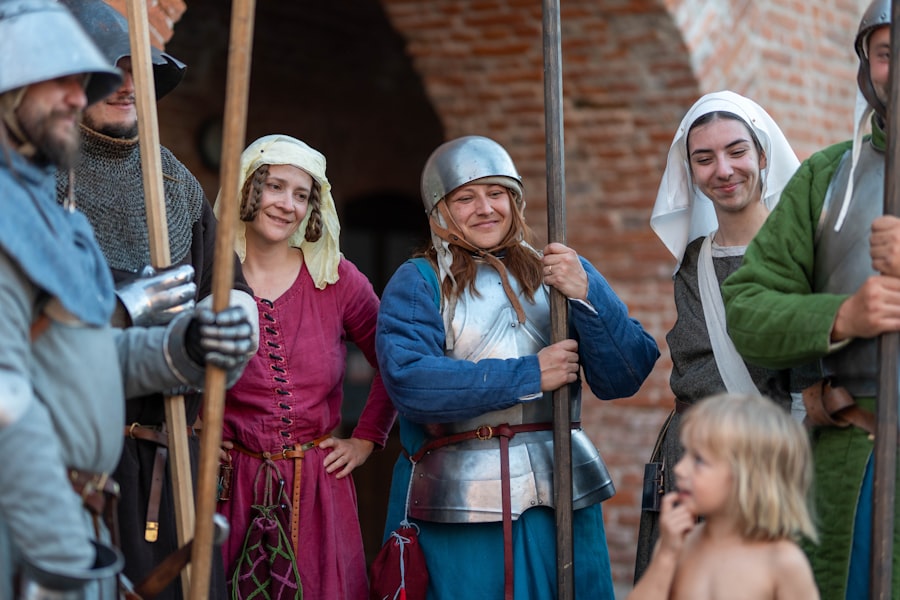
„De-a Călători,” roughly translating to „playing traveler” or „playing journey,” is a delightful and insightful childhood game that goes beyond simple play. It’s a form of role-playing and imaginative storytelling that allowed children to explore different aspects of adult life, social dynamics, and the wider world through simulated experiences. This game, in its various forms, served as an important tool for socialization and the transmission of cultural knowledge.
Jocurile de Imitație și Expresia Creativă
At its core, „De-a Călători” is about imitation and creative expression. Children would fashion makeshift vehicles from carts, sleds, or even just by walking in a line, imagining themselves as passengers or drivers embarking on an adventure. They would assign roles – the conductor, the passengers, perhaps even a bandit or a helpful stranger. Through dialogue and action, they would recreate scenarios they had witnessed or heard about, from daily commutes to grand expeditions. This imaginative play fostered creativity, allowing children to construct narratives and develop their storytelling abilities. It was a safe space to experiment with different personalities and social interactions.
Învățarea Rolurilor Sociale și a Normelor Comunitare
The game served a crucial educational purpose. By „traveling,” children would learn about different social roles and expectations. They might encounter situations that required politeness, negotiation, or offering assistance, mirroring the social norms of their community. They learned about different professions that were part of the „journey” – the driver, the ticket collector, the merchant at a stop. This vicarious experience helped them understand the intricate web of human interaction and their place within it. It was a hands-on lesson in how society functioned, often learned through observation and subtle guidance from elders.
De-a Călători ca Exercițiu de Anticipare și Rezolvare a Problemelor
Furthermore, „De-a Călători” encouraged children to think ahead and anticipate challenges. A „journey” might involve unexpected detours, the need to „buy” tickets, or encountering „obstacles.” These scenarios provided opportunities for children to practice problem-solving skills in a playful environment. They learned to adapt to changing circumstances, to communicate effectively with their fellow players to overcome difficulties, and to make decisions, however small, within the context of the game. This early exposure to planning and resourcefulness laid a foundation for future real-world challenges.
4. Obiceiul „De-a Vizita” și Al „Fostului”: Dezvoltarea Empatiei și a Simțului Comunitar
Closely related to imaginative play, the custom of „De-a Vizita” (playing visit) and its variation „De-a Fostul” (playing guest/host or, in a broader sense, simulating past events) were vital for developing empathy, social etiquette, and a strong sense of community among children. These games allowed them to practice the art of hospitality, understand the nuances of social calls, and learn the importance of reciprocal relationships.
Jocurile de Vizită și Eticheta Socială
In „De-a Vizita,” children would set up makeshift homes and invite each other over for pretend tea parties, meals, or simply for conversation. They would learn the proper ways to greet a guest, to offer them a seat, and to serve them refreshments, even if these were imaginary. Conversely, as guests, they would learn to express gratitude, to engage in polite conversation, and to leave at an appropriate time. These games were a gentle introduction to the complex rules of social etiquette that governed adult interactions, ensuring that children were well-prepared for real-life social engagements and could navigate them with grace and confidence.
„De-a Fostul” și Transmiterea Istoriilor Familiare
„De-a Fostul” or „playing ‘old times’,” involved children reenacting scenes from the past, often based on stories told by their grandparents or older relatives. This could involve pretending to be ancestors, recounting historical events, or simulating daily life from previous generations. This form of play was a powerful tool for transmitting family history and cultural heritage. It allowed children to connect with their roots, to understand the challenges and triumphs of their ancestors, and to develop a sense of continuity and belonging to something larger than themselves. It fostered respect for elders and the lessons learned from past experiences.
Dezvoltarea Empatiei Prin Jocul de Rol
Both „De-a Vizita” and „De-a Fostul” were instrumental in fostering empathy in children. By stepping into the shoes of different characters – the host, the guest, the ancestor – children learned to understand and appreciate different perspectives. They learned to consider the feelings and needs of others, whether it was making a guest feel welcome or understanding the hardships faced by their forebears. This ability to empathize is a cornerstone of a strong and cohesive community, and these childhood games played a crucial role in its development.
5. Obiceiul „A Strânge Pâinea”: Un Gest de Respect și Prețuire
| Obicei | Regiune | Data |
|---|---|---|
| Plugarul | Maramureș | 6 ianuarie |
| Urcatul bradului | Bucovina | 24 decembrie |
| Colindatul cu ursul | Moldova | 26 decembrie |
| Capra | Transilvania | 24 decembrie |
| Plugusorul | Oltenia | 1 ianuarie |
The act of „a strânge pâinea,” meaning to gather or collect breadcrumbs, might seem like a trivial gesture to an outsider. However, within Romanian tradition, this simple act is imbued with deep respect for food, particularly bread, and a profound understanding of the concept of not wasting. Bread has always held a sacred place in Romanian culture, symbolizing sustenance, life, and often, the divine.
Pâinea ca Sursă de Viață și Sfințenie
Historically, bread was not merely a foodstuff; it was the foundation of sustenance for most families. The process of growing grain, harvesting it, milling it, and baking bread was arduous and time-consuming. Therefore, every loaf was precious. This reverence extended to even the smallest crumb. The act of carelessly discarding bread or leaving crumbs scattered was seen not just as wasteful, but as disrespectful to the effort involved and, in a more spiritual sense, disrespectful to life itself.
Ritualuri de Respect și Evitarea Rispei
The practice of „a strânge pâinea” was a tangible manifestation of this respect. Children were often taught from a young age to be mindful of their bread, to eat it completely, and to gather any fallen crumbs and place them back on the table or into a designated container. This was not just about cleanliness; it was about acknowledging the value of every bit of food. In some instances, specific rituals might have been observed. For example, a fallen piece of bread might be kissed before being picked up, or a small prayer might be whispered. These gestures underscored the belief that food, especially bread, was a gift that should be treated with reverence.
Simbolismul Economic și Spiritual al Rispei
The avoidance of waste („rispa” can also mean dilapidation or ruin) was deeply rooted in economic pragmatism as well. In times of scarcity, every morsel counted. Wasting food meant jeopardizing the well-being of the family. Spiritually, wasting food was believed to attract misfortune. It was thought that those who were wasteful with their blessings would eventually lose them. Therefore, „a strânge pâinea” was not just about tidiness, but about actively participating in a cycle of gratitude and careful stewardship of life’s provisions, ensuring continued abundance and favor.
6. Obiceiul „A Bate La Ușă de Trei Ori”: Un Semn de Bună Credință și Prezență
The custom of knocking on a door three times before entering, or „a bate la ușă de trei ori,” is a subtle yet significant tradition that speaks to a nuanced understanding of social interaction and respect for privacy. While a single knock might suffice in many cultures, the repeated knocking signifies a deliberate and polite approach, ensuring the occupant is aware of the visitor’s presence and has time to respond.
Semnificația Ritmului și a Persistenței Salutare
The number three in Romanian folklore and tradition often carries symbolic weight, representing completeness or a heightened level of significance. Knocking three times can be interpreted as a more formal and emphatic greeting than a single knock. It signifies that the visitor is not acting impulsively but is making a conscious effort to announce their arrival. This persistent but polite approach demonstrates that the visitor is not trying to surprise or intrude but is seeking a proper introduction and welcome.
Încurajarea Răspunsului și Prevenirea Intruziunii
In a time when homes were often more isolated and sound did not travel easily, repeated knocking served a practical purpose: ensuring the occupant heard the visitor. More importantly, it allowed the person inside to mentally prepare for the arrival, whether it was to compose themselves, to gather something they needed, or simply to decide if they were able to receive a visitor at that moment. This respect for the occupant’s space and time is a hallmark of polite social conduct. It avoids the awkwardness of someone opening the door to find an uninvited guest already too close for comfort.
Credințe Legate de Numărul Trei și de Intenție
Beyond its practical implications, the three-knock tradition might also be linked to older beliefs. In some traditions, repeating an action three times could imbue it with a stronger spiritual or magical quality. While not always explicitly spiritual in modern practice, the underlying sentiment of seeking a clear and acknowledged presence remains. It is a gesture that communicates good faith, respect, and a clear intention to engage in a courteous social exchange. It signifies that the visitor is not a lurking presence but someone who wishes to be seen and acknowledged.
7. Obiceiul „A Sorbi din Oală”: Împărtășirea Apei și a Vindecării
The custom of „a sorbi din oală,” or „to sip from the pot,” typically refers to a practice involving water, often collected from a specific source or prepared with a particular intention. While it might sound peculiar, this tradition is rooted in beliefs about water’s purifying and healing properties, and the communal act of sharing it.
Apa ca Element Purificator și Vindecător
In many ancient cultures, water was revered as a source of life and a powerful agent of purification. In Romania, certain springs or wells were believed to possess special healing qualities, and water collected from them was often used in folk remedies and rituals. The act of „sorbi din oală” involved drinking this specially collected or prepared water, not just for thirst, but with the intention of absorbing its beneficial properties. This could be for physical healing, for protection against illness, or even for spiritual cleansing.
Ritualuri de Împărtășire și Conectare Comunitară
The „oală” (pot) itself often held significance, sometimes being a specific pot used only for this purpose. The act of sipping from it was often a communal one. Instead of pouring water into individual cups, family members or community members might take turns sipping directly from the pot. This shared act symbolized unity, mutual support, and the collective reception of healing or blessing. It fostered a sense of interconnectedness and reinforced the idea that the benefits of the water were shared among all who partook.
Credințe Legate de Sursa Apei și de Intenția Gestului
The efficacy of the water was often believed to be tied to its source. Water collected at dawn, from a spring untouched by human hands, or during specific lunar phases might be considered more potent. The intention of the person collecting and sharing the water was also paramount. It was believed that a pure heart and good intentions would enhance the water’s healing power. This tradition, therefore, was not merely about drinking water but about engaging in a ritual that combined faith, community, and a deep respect for the natural world and its perceived mystical properties.
These seven traditions, though perhaps not widely known, offer a glimpse into the rich and intricate cultural heritage of Romania. They speak of a society that valued community, respected nature, and understood the subtle, yet profound, meanings embedded in everyday actions. While modernization has inevitably influenced many of these practices, their echoes can still be found, reminding us of the enduring power of tradition and the wisdom passed down through generations. They are a testament to the resilience of Romanian culture and its ability to adapt and endure, while holding onto the essence of its unique identity.